Navigating Governor Affordable Phone Programs
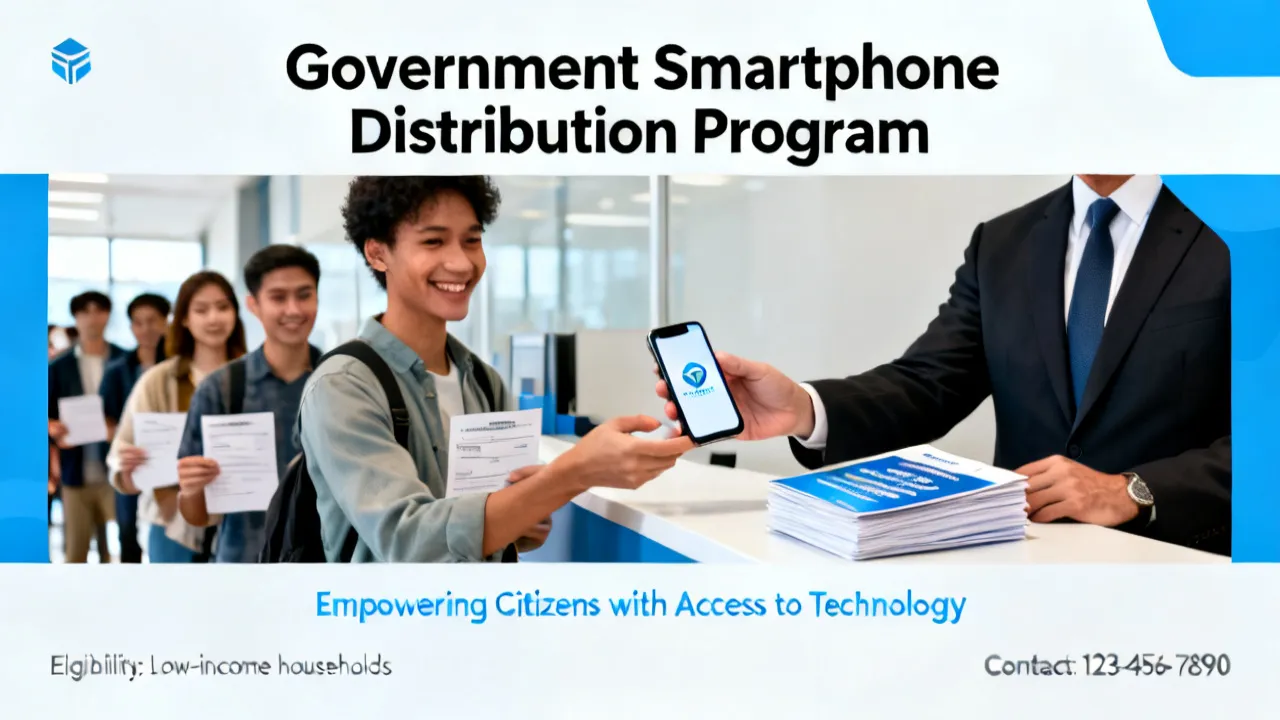
This guide offers insights into government phone initiatives that provide smartphones and telecommunications services to eligible individuals. Such programs typically aim to assist low-income households by offering affordable connectivity. Several service providers offer varying plans that cater to different needs, with eligibility often dependent on federal poverty guidelines or participation in specific assistance programs.

Understanding Government Phone Programs
Government phone programs have been a lifeline for many low-income households, offering essential connectivity to voice, text, and data services. These programs, sometimes referred to as "Governor Affordable Phone" initiatives, aim to bridge the digital divide by ensuring access to communication services for those who may otherwise be unable to afford them. Predominantly supported by the Lifeline Assistance Program or the Affordable Connectivity Program (ACP), these initiatives facilitate access to vital communication tools necessary for everyday life and practical engagement within society.
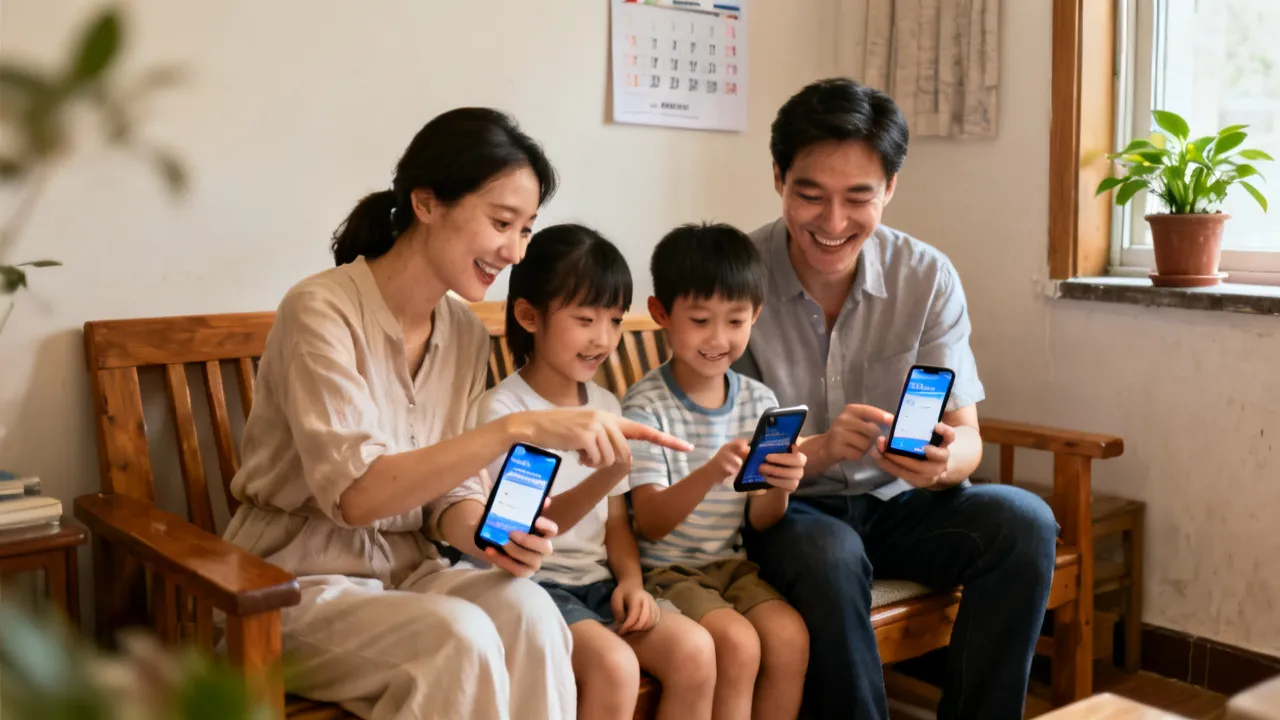
In an increasingly digital world, where access to the internet and communication services is critical for employment, education, and access to essential services, government phone programs play an indispensable role. They not only provide the means of communication but contribute to the overall well-being and stability of low-income households. With access to communication technologies, individuals can apply for jobs, attend online classes, or stay connected with family members, enhancing their quality of life in numerous ways.
These government programs are the result of a recognition of the necessity for reliable communication in the modern age. Acknowledging that many people rely heavily on their phones for everyday communication and to access information, these initiatives are designed with the objective of not leaving anyone behind in the digital landscape. They actively work to ensure that low-income families can participate fully in the communication landscape that has predominantly shifted to mobile and online platforms.
Key Providers and Their Offers
Several providers have stepped up to offer these services in the United States. While each provider may have distinct features, they all align with the overarching goal of providing cost-effective communication solutions to eligible individuals. Below, we delineate the services extended by a few prominent providers, outlining their offerings and additional costs:
| Provider | Services Included | Additional Costs |
|---|---|---|
| SafeLink Wireless | Smartphone or bring-your-own-device, unlimited texts, calls, and data (varies by plan/state) | Premium device upgrades or extra data |
| Assurance Wireless | Android smartphone, unlimited talk and text with data allowances | High-speed data or international calls |
| StandUp Wireless | Smartphone or BYOD, unlimited talk and text, data plans | Premium phone upgrades or extra data |
| Access Wireless | Unlimited voice and text, limited high-speed data | Data boosts and device upgrades |
| True Wireless | Government-supported phones, voice, and data plans | Device upgrades or added data plans |
source: www.safelinkwireless.com, www.assurancewireless.com, www.standupwireless.com, www.accesswireless.com, www.gotruewireless.com
Each of these providers plays a crucial role in delivering various plans that cater to different needs, contributing to a more comprehensive strategy for assisting those in need. As part of the application process, eligible individuals can compare the available options to find a plan that best meets their communication requirements.
Furthermore, while many of these plans offer basic services at low or no cost, some also provide the option for users to upgrade their devices or purchase additional data, allowing them to stay connected in ways that suit their lifestyle. The accessibility and varying options through these providers highlight the government's commitment to ensuring that telecommunications services are affordable and available to those who require them the most.
Eligibility Criteria and Application Process
To qualify for a government-assisted phone program, potential applicants must adhere to specific eligibility guidelines that ensure the program serves those who genuinely need it:
- Income: Total household income should be at or below 135% of the federal poverty guidelines for Lifeline or 200% for ACP, which means that potential applicants must be prepared to provide documentation that reflects their current income status.
- Program Participation: Enrollment in specific federal or state assistance programs such as Medicaid, Supplemental Nutrition Assistance Program (SNAP), Supplemental Security Income (SSI), or Federal Public Housing Assistance (FPHA) can make individuals eligible. This makes it imperative for applicants to gather proof of enrollment in these programs.
- Location: Residing on Tribal lands may provide additional benefits, thus individuals in these regions are encouraged to investigate the specific advantages available to them under government phone programs.
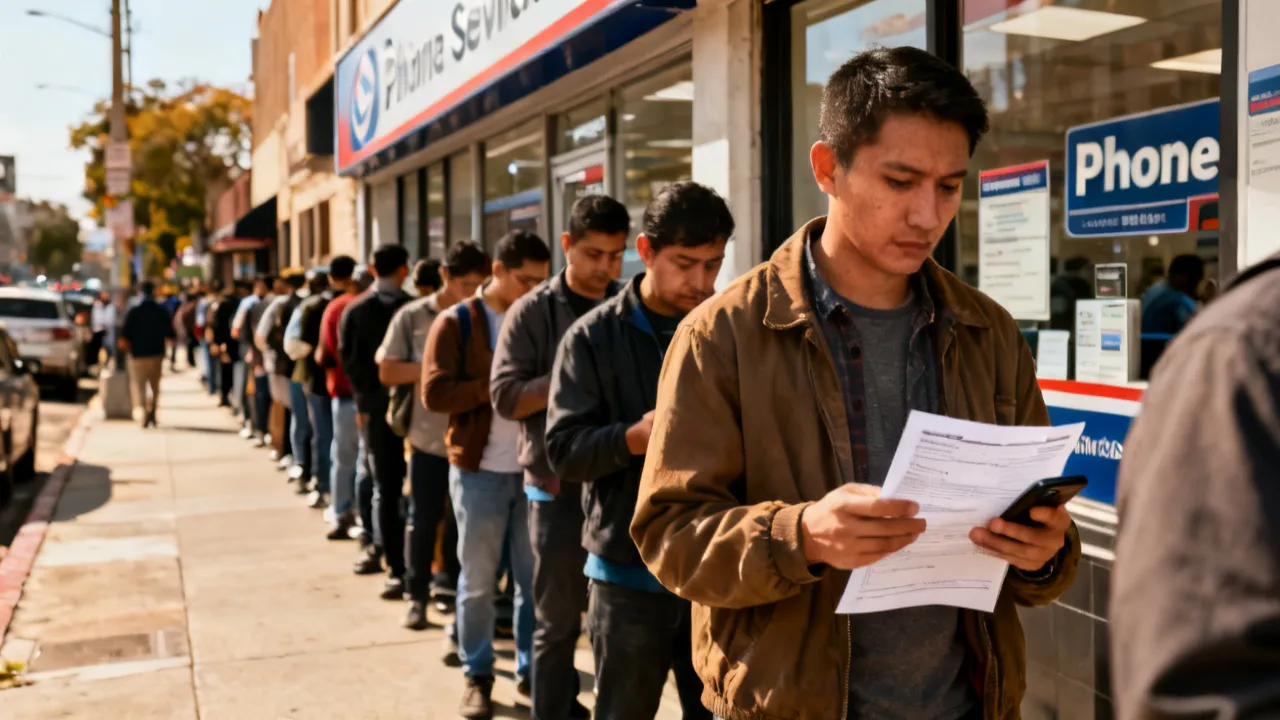
The application process for these programs typically involves an online submission through the provider’s website, followed by verification of eligibility through required documentation. Prospective applicants can also access the Lifeline National Verifier, a centralized tool designed to streamline the application process, simplifying what can otherwise be a convoluted procedure.
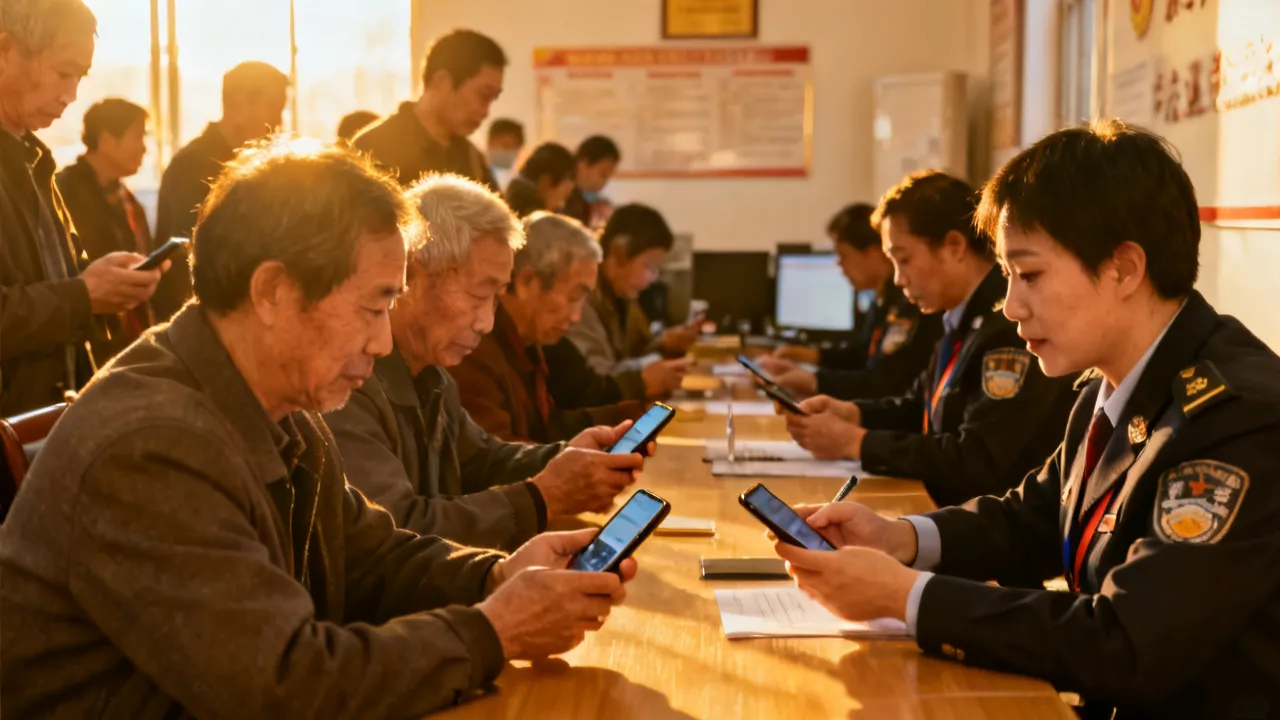
Furthermore, many providers offer customer support to assist during the application process, which can be invaluable for individuals who may have questions or require additional help gathering documentation. This support is essential in ensuring that all potential applicants can navigate the process smoothly, eliminating barriers that may prevent them from receiving the assistance they need.
How to Apply
A step-by-step guide to applying for government phone programs can help streamline the application process:
- Visit the official website of the desired provider: Each provider has its own application portal; ensure that you are on the correct page to avoid confusion.
- Complete the online application form: Furnish all required personal and income information, including household size and income documentation to ensure complete transparency.
- Submit proof of eligibility: Provide necessary documentation such as income verification or proof of participation in any qualifying programs, which is crucial for your application’s success.
- Await verification and approval from the service provider: This process can vary in duration, so be prepared for delays, and ensure you have provided accurate information to facilitate a smooth approval process.
- Once approved, receive your phone: After approval, you will typically be notified regarding how to receive your device, after which you can begin using the service immediately.
This application process outlines a structured approach for individuals seeking assistance, and by following each step closely, applicants can maximize their chances of successfully receiving a government-supported phone. In addition to the online resources provided by the phone providers, there are numerous community organizations and local government offices that can also offer assistance through the application journey.
FAQs
- What are "Governor Affordable Phone" programs?
These are public initiatives that offer mobile services to individuals meeting certain financial or programmatic criteria, enabling them to access necessary communication tools that support their daily needs and foster community engagement. - Who is eligible for these programs?
Eligibility is typically based on income levels or participation in government assistance programs, as outlined above. Understanding these criteria is vital for potential applicants looking to determine if they qualify. - Are there any costs involved?
While the base service is offered at low prices, it is essential to note that additional features or upgrades may incur charges, so potential users should be mindful of their choices to avoid unexpected costs. - Can I keep my current phone number?
This depends on the provider’s policy; however, most providers do allow number porting if the previous carrier's conditions are met. It’s advisable to inquire about this process when applying to ensure any necessary steps are taken. - What should I do if my application is denied?
If your application is denied, providers usually have an appeals process in place. Reach out to customer service to understand the reasons for denial, and gather the necessary documentation to address any issues raised. - Can I switch providers after receiving assistance?
Yes, beneficiaries may switch providers if they choose to do so. However, it’s important to review any new plan details and ensure that you maintain your eligibility for ongoing assistance. - What kind of devices can I expect?
Devices may vary between providers, with options ranging from basic phones to smartphones depending on the plan selected. Users should evaluate device options according to their individual requirements.
Disclaimer: The above information is sourced from online resources as of October 2023. Our site cannot ensure that applicants will receive a device through these initiatives. For specific application details and criteria, please consult the provider’s official guidelines. This article is not updated in real-time, and conditions may change.
Reference links:
Impact of Government Phone Programs
Government phone programs have a significant impact on enhancing the quality of life for low-income families. By ensuring reliable access to communication tools, these programs help alleviate the isolation that can often accompany financial hardship. Individuals involved in various aspects of community life—from students attending online classes to job-seekers applying for positions—benefit immensely from being connected. Hence, these programs are not merely provisions of necessary goods and services; they are instrumental in promoting educational and economic opportunities.
The increased access to digital communication also fosters greater participation in civic engagement. Low-income individuals who might otherwise face barriers in accessing information about local services or community events can now stay informed. This engagement contributes to a sense of belonging and allows individuals to express their perspectives on matters that affect their lives. In this way, government phone programs do not just serve to meet basic communication needs; they empower users to take an active role in their communities.
The availability of these programs demonstrates a recognition of the need for inclusion in the digital landscape, acknowledging that telecommunications access is an essential utility in today’s world. Diverse studies highlight the correlation between mobile connectivity and socioeconomic mobility, indicating that those who have access are more likely to land jobs, pursue education, and participate in the economy more broadly. These programs help break down barriers and pave the way for innumerable individuals to achieve self-sufficiency.
The Future of Government Phone Programs
As we look forward, it is essential for government phone programs to adapt and evolve to meet the changing needs of society. Technological advancements continue to reshape communication methods; therefore, ongoing assessments of program efficacy and relevance are critical. This includes considering how new technologies, such as virtual reality, artificial intelligence, and advanced mobile applications can further enhance outreach and provide support through these government initiatives.
Programs must also strive for innovation in outreach strategies to ensure that eligible individuals are aware of the available resources. Community partnership efforts can play a pivotal role in efficiently informing target demographics about these services. Collaborations with schools, non-profits, and local agencies may foster environments where information about accessing these programs is readily available.
Continued funding and policy support from federal and state levels will also impact the sustainability of these initiatives. Advocacy for expanding benefits, enhancing service quality, and maintaining low-barrier access must remain a priority. This ongoing effort will ensure that government phone programs remain a robust resource for individuals facing socioeconomic challenges.
In conclusion, government phone programs serve as vital support systems for low-income individuals by facilitating communication, enhancing community connectedness, and fostering economic opportunity. Their impact is substantial, and as these programs look to the future, ongoing adaptation and advocacy will be crucial in meeting the needs of a diverse population. By prioritizing inclusivity, accessibility, and innovation, these initiatives can help further close the digital divide in society.